
Meet your Meat: Vanitas for Smithfields
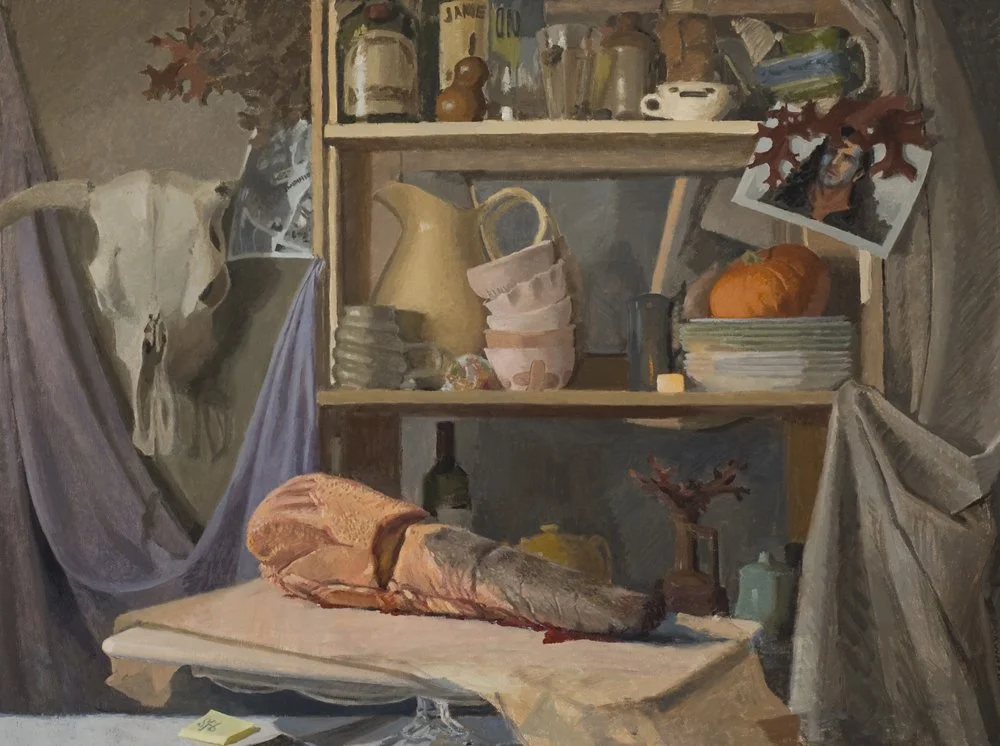
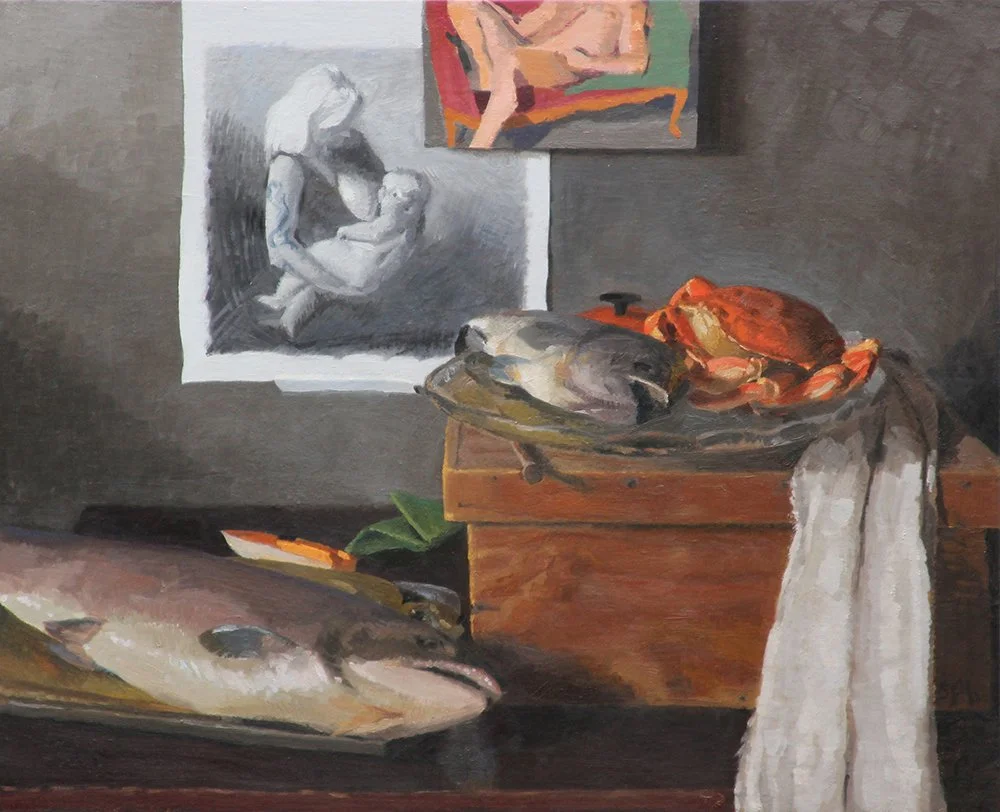
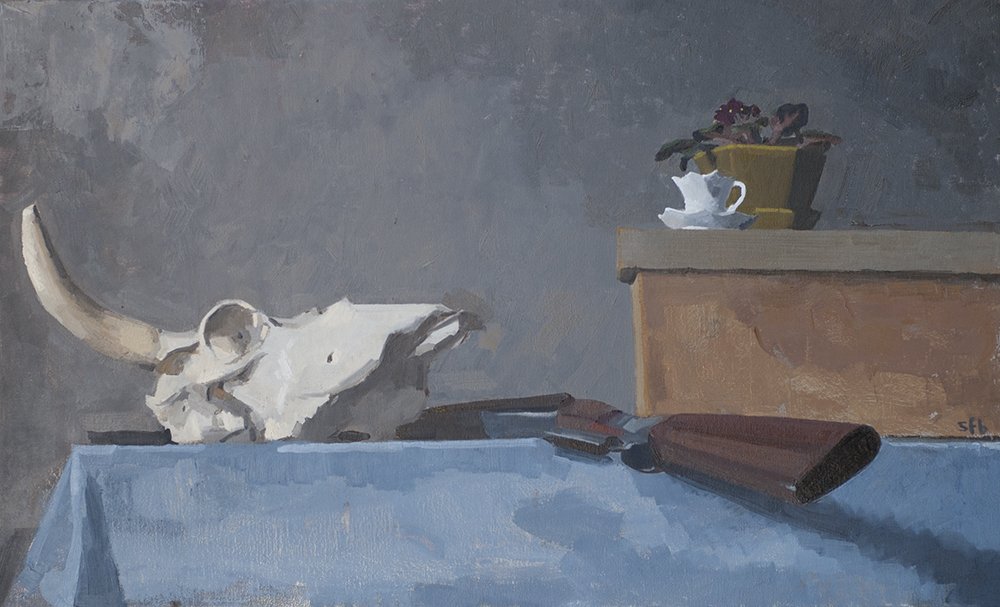
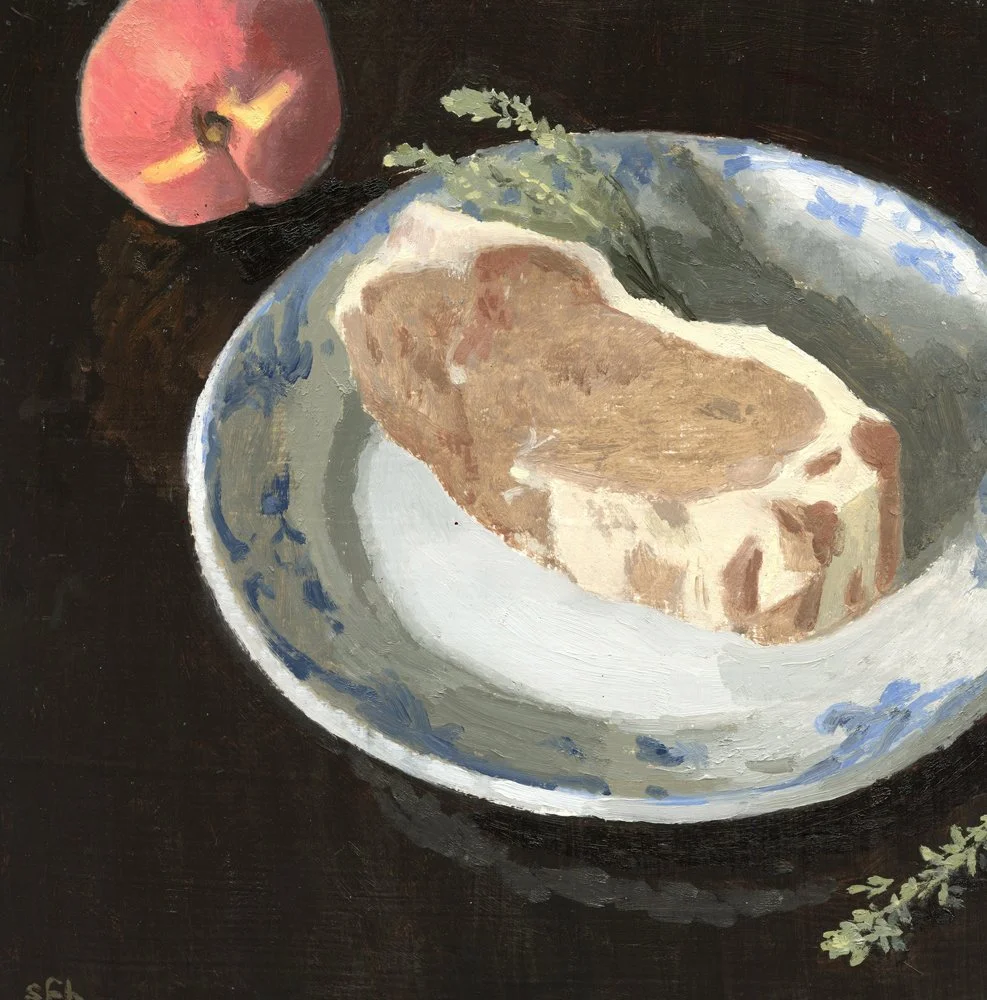
During 2012-13 I created a series of paintings for my sister (Claire Clooney) and brother-in-law’s (Neil Clooney) restaurant in Ashland, OR. The restaurant was named Smithfields after the historic Smithfield Market area of London, where Neil Clooney originated. Neil has been a longtime chef and Smithfields was his first restaurant. It was a fantastic spot, excellent food with a warm casual vibe. It was an immensely popular, but relatively short lived. Open from 2011 - 2019 (sold and closed right before the pandemic). It was the home many great memories for so many in the community!
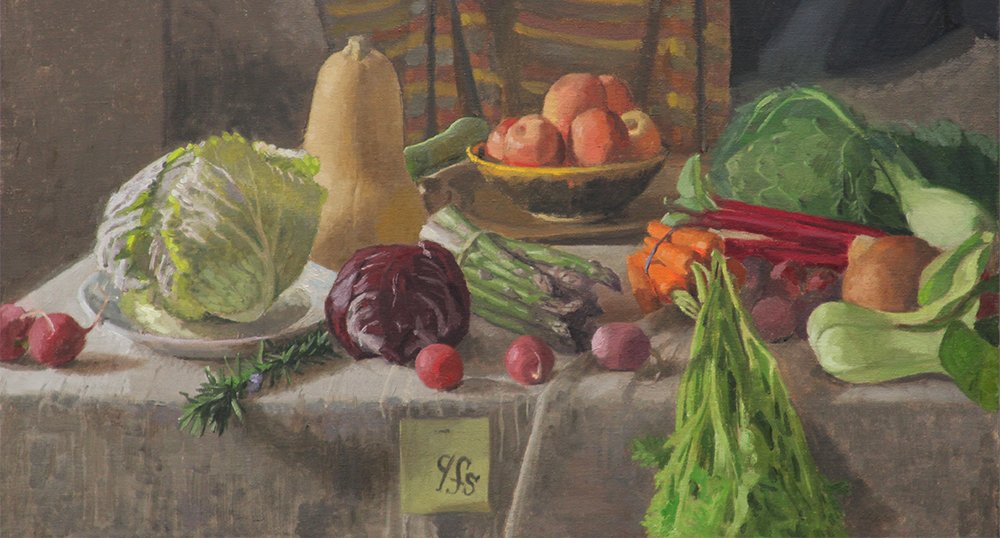
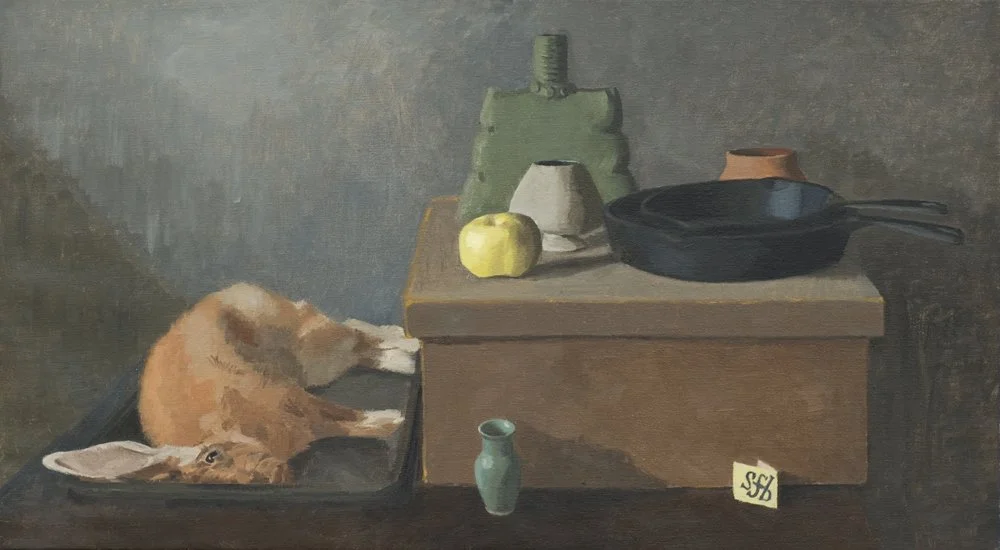
When the restaurant first opened, I proposed a series of paintings that overlapped my love of traditional European paintings with farm products that reflect the way we live today. I grew up on a family farm, my dad was a farm-kill butcher for a while and I spent a lot of time helping with hands on meat production. This series of paintings was a real joy to produce and holds so many memories. It was fun too, because it got a lot of press and attention (usually good for us artists!).
My friend Jennifer Nitson wrote a beautiful article - see below the gallery of images. .
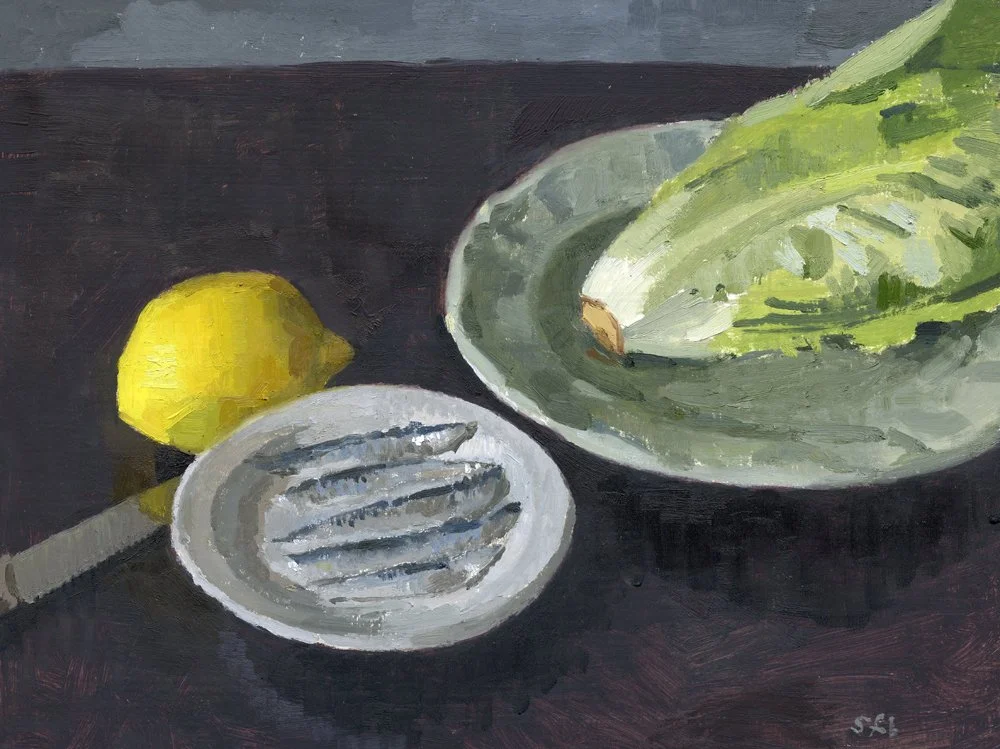

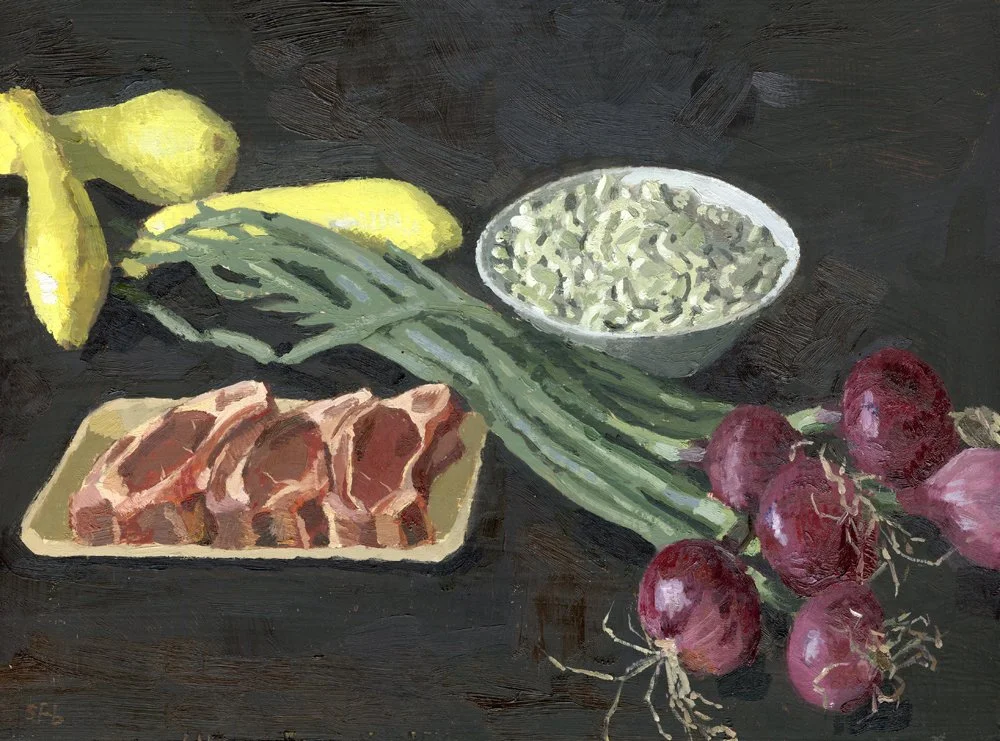
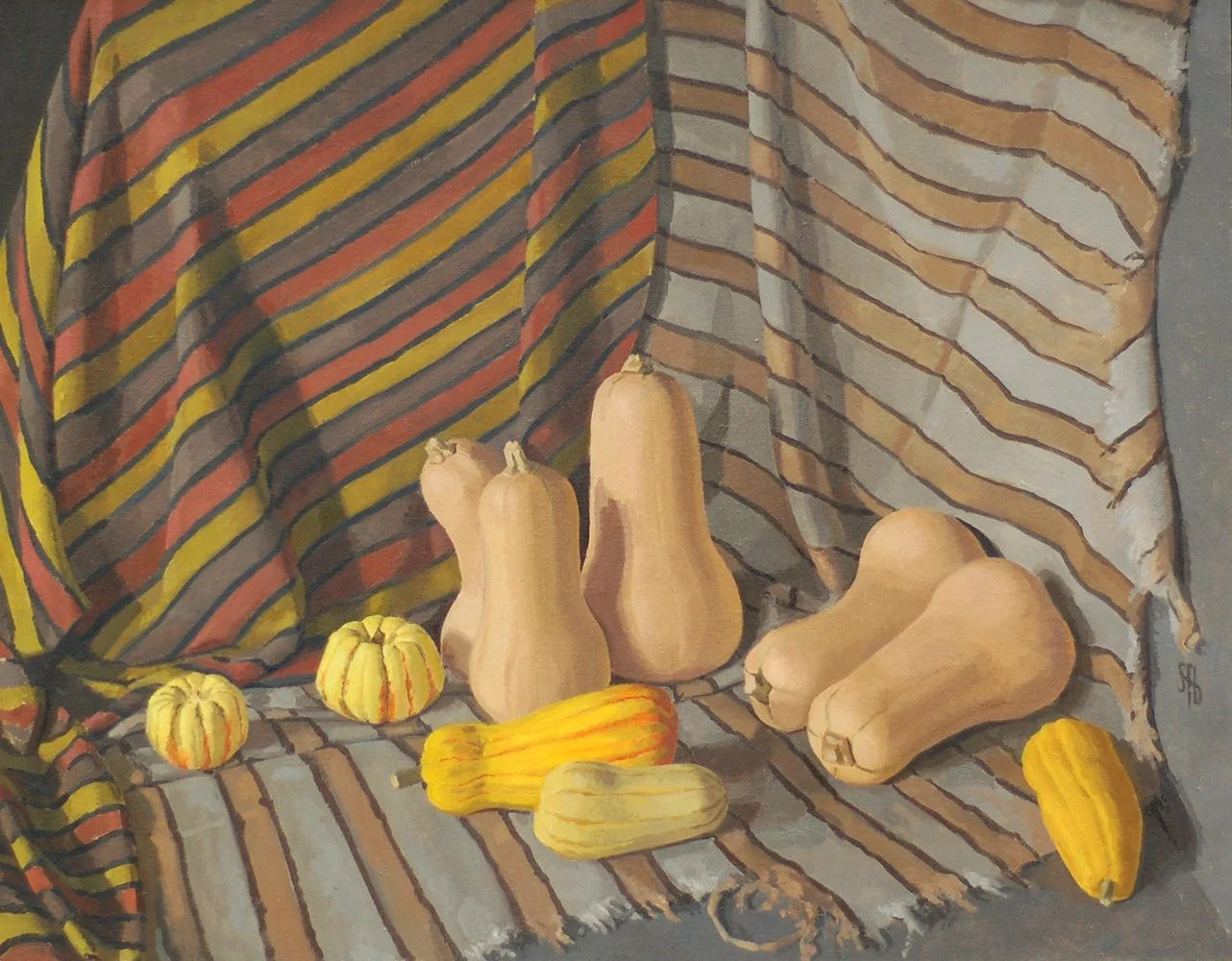
Meet Your Meat: Vanitas for Smithfields
by Jennifer Nitson
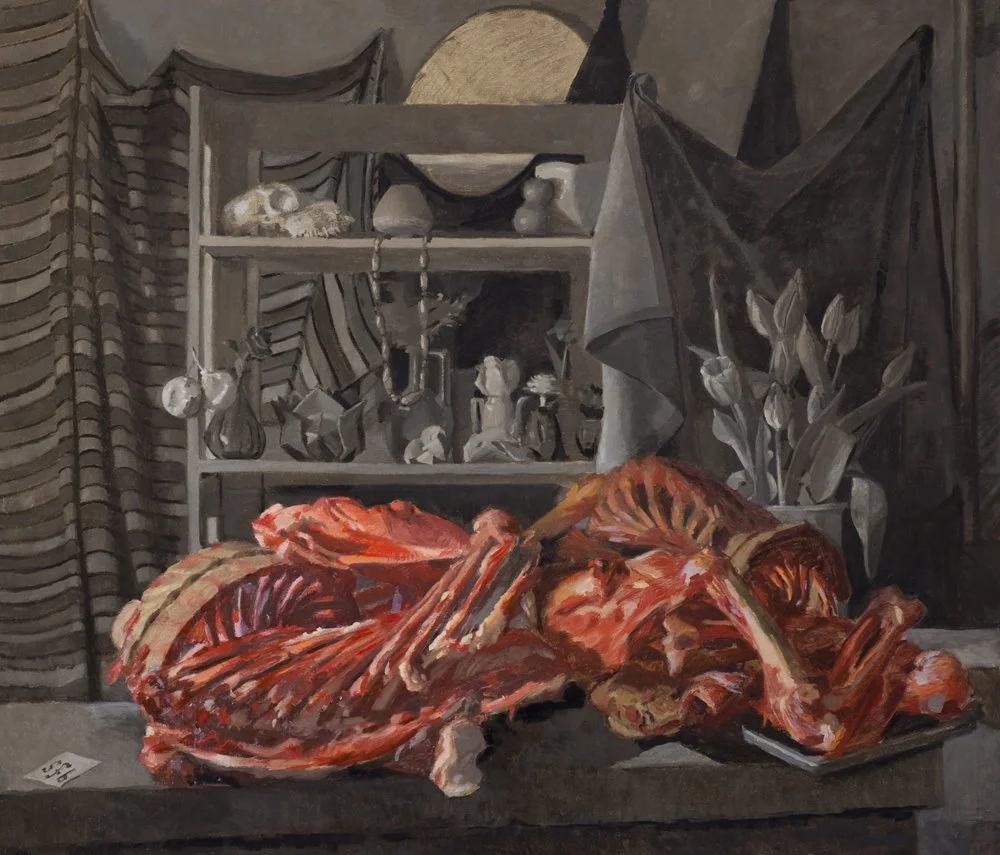
A long-time resident of the Rogue Valley and member of the local art community, Sarah Burns knew some of her fellow artists and friends would be aghast at the thought of the bloody, butchered bear carcass in her studio. Meanwhile, she was preoccupied with how fast she would need to paint it. A classically trained oil painter who only paints from life – never from photos – it was imperative that she work quickly before what was left of the bear rotted.
“There was no way to put it back in the freezer,” she explained.
~~~
Smithfields needed paintings that would evoke the intensity and satisfaction of the meat-eating experience. Sarah’s goal was to draw on that honesty and intensity.
“I wanted to convey the guttural impact and visceral intensity of raw meat, and yet have the paintings contain enough humanity to be enjoyable while dining,” she said.
The paintings are done in a classic Vanitas style – a symbolic art form that originated in 16th century Europe. Vanitas paintings generally contain a moralistic exhortation to remember the fleeting nature of life. At the same time, Vanitas pieces tend to be sensuous, almost indulgent, in style and subject matter. It has been said that some European painters of the period felt they needed moral justification to make paintings of attractive objects.
Sarah needed no such justification. The commissioned paintings gave her the perfect opportunity to explore a conscious relationship with meat that is complex and lifelong. Her father worked as a butcher as she grew up, and her family raised cows, sheep, chickens and goats on their Eagle Point farm.
~~~
Sarah set to work on the paintings in the dark days of winter. The cold was conducive to having fresh meat out in her home studio, but she struggled against the inflexible limitations of the too-short days.
“I feel like I just barely get started and then my light is gone,” she said.
For Sarah, creating the paintings indeed became a meditation on the ephemeral nature of life as she coped with the logistics of working with perishable meat. With the first piece she enjoyed the luxury of being able to paint the myriad background objects before introducing a cow’s tongue to the still-life setting. She was also able to put the tongue back in the freezer between painting sessions.
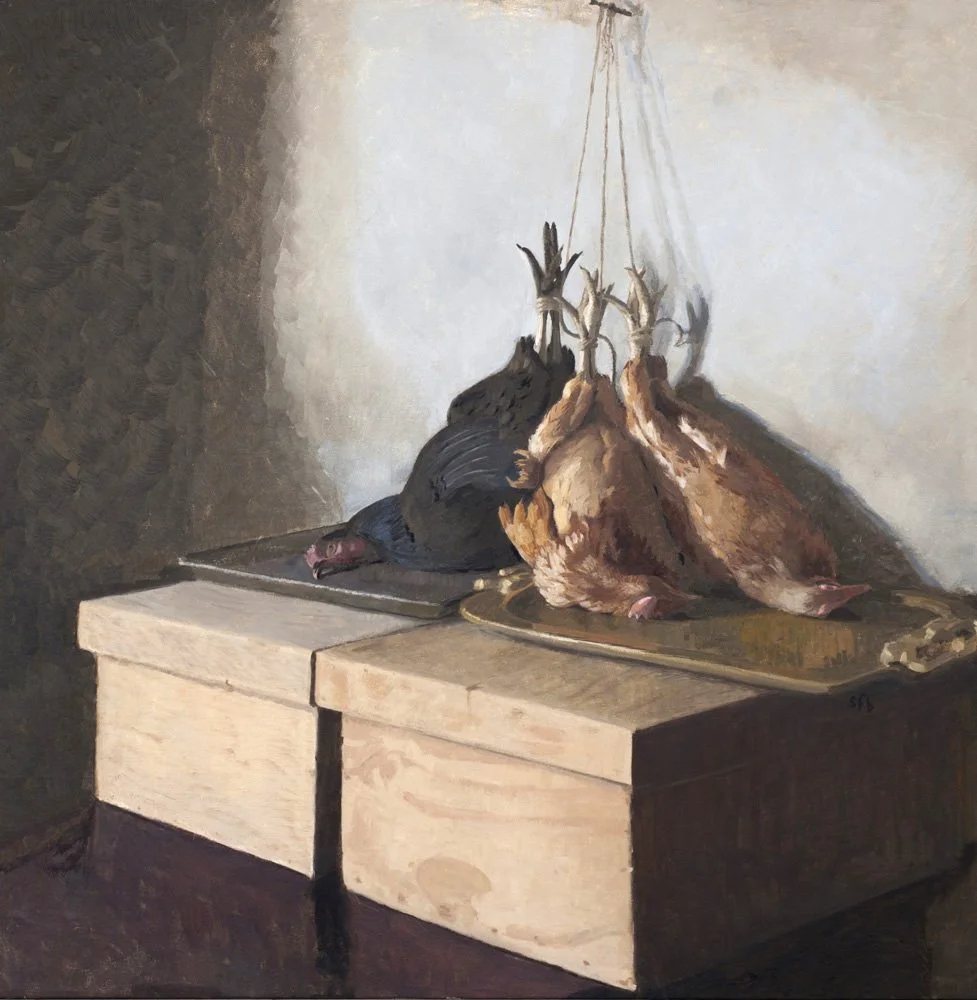
Things got more complicated with the rotting bear carcass and the brace of chickens.
She cleared her schedule and embarked on a three-day painting marathon. Dry ice was placed near the chickens that had been strung up, artfully, in her studio. She fashioned a hood out of a tarp to cover them at night. Though she faced complex logistics and a scarcity of time, the painting conveys a simple abundance.
In the traditional manner of Vanitas painting, Sarah explored with these pieces the transitory nature of life, painting in a sumptuous style that both soothes and awakens the senses, while imparting a message:
“Life is short, so think about how you are living,” Sarah said. “And in this context, think about how your meat and food is produced.”