
Drawing: The Foundation of Everything
Drawing skills are painting skills. This drawing course for painters. It is comprehensive, each section builds on the earlier sections. You’ll think about these skills for the rest of your life!
-
Chapter 1 - Introduction
-
Lesson 1A: Philosophy of this Course
This video contains important information as you get started!
This course will teach you practical drawing skills which you will need to practice and integrate into your own quirky, special, unique expression.
Symbolic drawing vs. Observational Drawing
Representational, Abstract and Non-Objective Art
Unity > Variety
Geometrol and Retinal -
Lesson 1B: Drawing Materials
All about pencils, vine charcoal and how to hold your pencil properly.
-
Lesson 1C: Setting up your drawing area
How to ergonomically set up for observational drawing.
-
Lesson 1D: Exercise
Your first drawing exercise for this course. Get started holding your pencil in a new way. Crack open your sketchbook and write /sketch about art you’d like to make.
-
-
Chapter 2 - Proportion and Placement
-
Lesson 2A: Comparative Measuring
Comparative measuring is the most important tool you have in gathering proportions. It can be tricky to learn, but is worth the effort.
-
Lesson 2B: Sight Size
Sight Size is a measuring strategy for artist. This lesson describes how it is done, and what applications it’s practical for. At the end of this video we also see two key tools artists use to check their measurements: the mirror and a caliper.
-
Lesson 2C: The Envelope
Once you have a height and width, you now need the envelope to aid in the placement and proportion of your subject.
-
Lesson 2D: Examples from Artists
See examples of beginning lines to gather proportion and placement from contemporary and historical art.
-
Lesson 2E: Negative Space
Negative space is a useful way to refine your proportion and placement.
-
Lesson 2F: Canons of Human Proportions
This is a side quest, but a useful one if you make figurative work. Look at a few key proportions of the human figure that you should memorize.
-
Lesson 2G: Exercises
Finally! Here are your exercises for this section.
-
-
Chapter 3 - Perspective
-
Lesson 3A: Perspective Foundations
Perspective can get complex. Let’s start with the core basics. If you remember nothing else in this section, remember this lesson.
-
Lesson 3B: One and Two Point Perspective
We look at one vs two point perspective, and learn to find the eye level in artwork and photographs.
-
Lesson 3C: Cylinders in Perspective
Understanding the cylinder in perspective can be a profound “AHA” moment.
-
Lesson 3D: Eye Level and Eye Position
Learn to identify the eye level and position quickly.
-
Lesson 3E: Going Deeper - What's Possible with Advanced Perspective
Perspective can get complex. If that’s your jam - here are some cool examples of artists who really go there.
-
Lesson 3F: Inclined and Declined Planes
Things shift just slightly when the ground plane is not level. Learn the basics of inclined and declined ground planes.
-
Lesson 3G: Cone of Vision
Perspective can get wonky (in a fun way) at the periphery of your vision. See how some artists limit the distortion or make it work.
-
Lesson 3H: Atmospheric Perspective
Other clues that show whether objects are close or far away.
-
Lesson 3I: Composing with Perspective
Perspective can have an emotional impact in your compositions. See some examples of how artists have used perspective in smart ways to enhance their work.
-
Lesson 3J: Perspective Exercises
A few exercises to absorb perspective into your artistic practice.
-
-
Chapter 4 - Construction of Form
-
Lesson 4A: Introduction to Construction
Construction of form is an extension of, or even part of perspective. They definitely overlap and work together.
-
Lesson 4B: Finding the Center of a Rectangular Solid
It’s pretty helpful to be able to find the center of a rectangular solid when they’re in perspective.
-
Lesson 4C: Checkerboard
Using a diagonal to find the depth of squares in a checkerboard as it recedes. It’s a nifty skill and it helps you get an intuitive feel for how quickly depths shorten back in space. That understanding, whether formal or intuitive can help you make better drawings.
-
Lesson 4D: Spacing in Perspective
See how you can find the next fencepost or power line etc as they recede back in space.
-
Lesson 4E: Cylinders - the next level
We started talking about cylinders in the last section. This will take us a little deeper.
-
Lesson 4F: Construction Examples in Art
It’s so helpful to see multiple examples of construction in various types of art.
-
Lesson 4G: Construction Exercises
This exercise will help you start to integrate the concept of construction into your practice. Construction is the key to creating work that feels three dimensional.
-
-
Chapter 5 - Value vs Light Effect
-
Lesson 5A: Values vs. Light Effect
Understanding the distinction between values and light effect will take your shading, and painting game to the next level. Values EXPRESS light effect.
-
Lesson 5B: Light Effect - Parts of Light and Shadow
This video identifies all the parts of LIGHT and SHADOW.
-
Lesson 5C: Light Effect - Examples in Art
Let’s look at some art! It’s so useful to understand the parts of the light and shadow when seen in a variety of art from a variety of eras and styles.
-
Lesson 5D: Local Color
Side quest into local color. We define it and discuss some things to keep in mind.
-
Lesson 5E: Shadow Direction
This is a very short bit about the size and direction of cast shadows.
-
Lesson 5F: How to Determine the Terminator and Color Temp of Light/Shadow
Quickly determine where your shadow starts and half tones stop and also a little bit about color.
-
Lesson 5G: Light Effect - Exercises
Now to put your knowledge into practice!
-
-
Chapter 6 - Concentrating Values
-
6A: Concentrating Values - Intro
The secret to powerful compositions is your ability to concentrate shapes and values.
-
6B: Concentrating Values: Examples in Art
See examples in art from all ages and styles. From fine art to t-shirt design. Awareness of values is a MAJOR secret and skill to develop.
-
6C: Concentrating Values: Exercises
Practical exercises to build your value assessment and concentration skills.
-
6D: Concentrating Values - Master Copy Demo
Copying a master work can teach us SO much.
-
-
Chapter 7 - Turning the Form, Texture & Edges
-
7A: Hatching vs. Graining
Many people ask me how to build up their drawings. As usual, there are a million ways and as an artist, we get to choose our path, but there are some tendencies and things to consider.
-
7B: Edges
The secret to texture is EDGES.
-
7C: Outlines
Outlines don’t exist, except in our brains…. and they can be a powerful tool, used with wisdom.
-
7D: Exercise
The moment you’ve all been waiting for: DETAIL! How to add it with efficiency.
-
-
Chapter 8 - Composition
-
8A: Intro to Composition
Dive into how you can use line, value patterns, contrast, color, eye level and more to create compositions that draw your viewer’s attention to the most important parts of your art. This will allow you to tell the story and convey the emotions that elevate your work and make it deeply meaningful.
-
8B: Linear Composition
See how lines, both hidden and obvious can play a role in your paintings and drawings.
-
8C: Value Balance
Examine how concentrating your values into balanced arrangements can create movement and stability in your work.
-
8D: Common Structures
Look at examples of common shape structures artists use to compose pictures.
-
8E: Emphasizing Focal Points
Guide your viewer to your subjects using line, value contrast and higher chroma color.
-
8F: Eye Level
Choosing the horizon line/eye level carefully can impact the feeling of your compositions.
-
8H: Reference Old Masters
Old masters - or really any well known visual references - can be a source of inspiration for composition as well as adding to or commenting on the context of their work.
-
8I: Composition Exercises
Your turn to play!
-
-
Chapter 9 - Putting it all Together
Meet your instructor
✳
Meet your instructor ✳

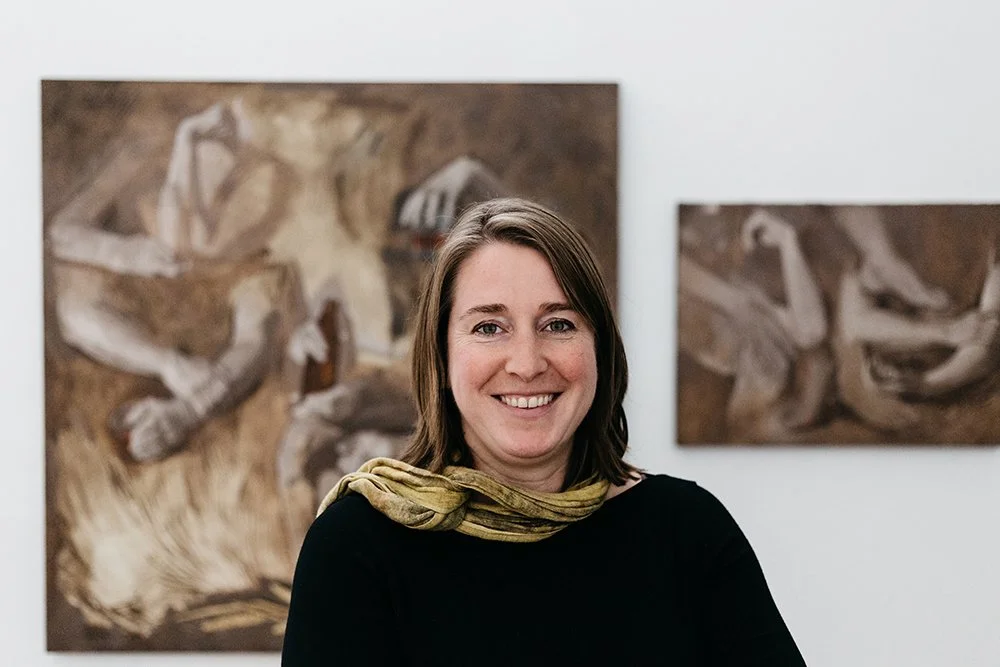
Sarah Burns
Sarah Burns is a classically trained draftswoman and painter.
She has worked with countless artists of all types to help them utilize drawing skills to realize their artistic goals.
Sarah lives and paints in Southern Oregon. When she’s not working, she loves native plant gardening, looking for hot springs, and hiking in the mountains. She’s always up for a sauna and a cold plunge!
What you’ll learn
-
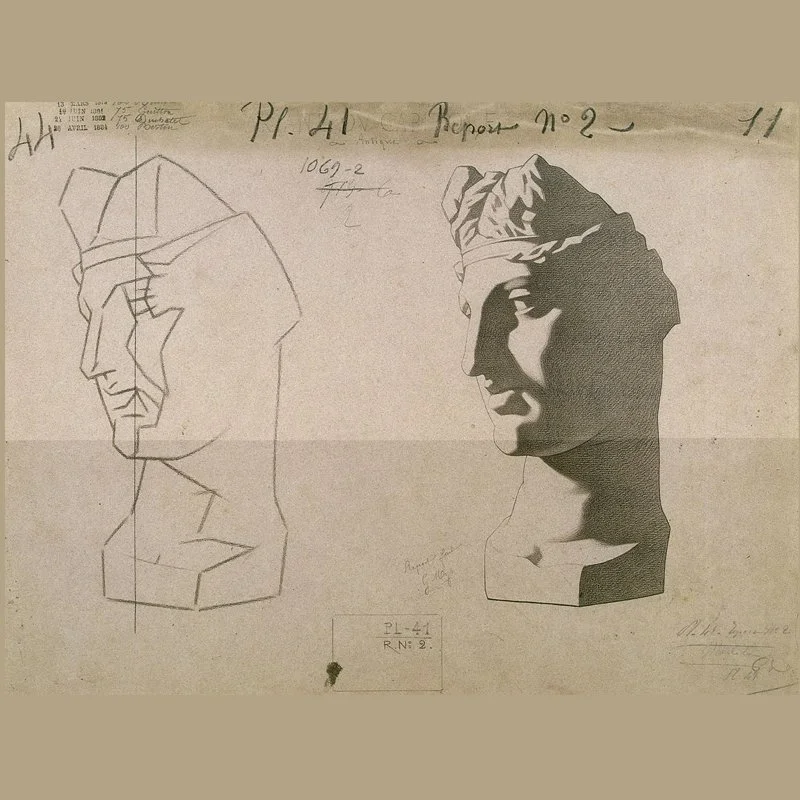
Learning how to start a drawing or painting can save a TON of time and build a good foundation for a successful finish.
Proportion and Placement are the first elements you need to learn to manage to make good compositions. You need to be able to control the size and location of your subject in order to create a design.
-
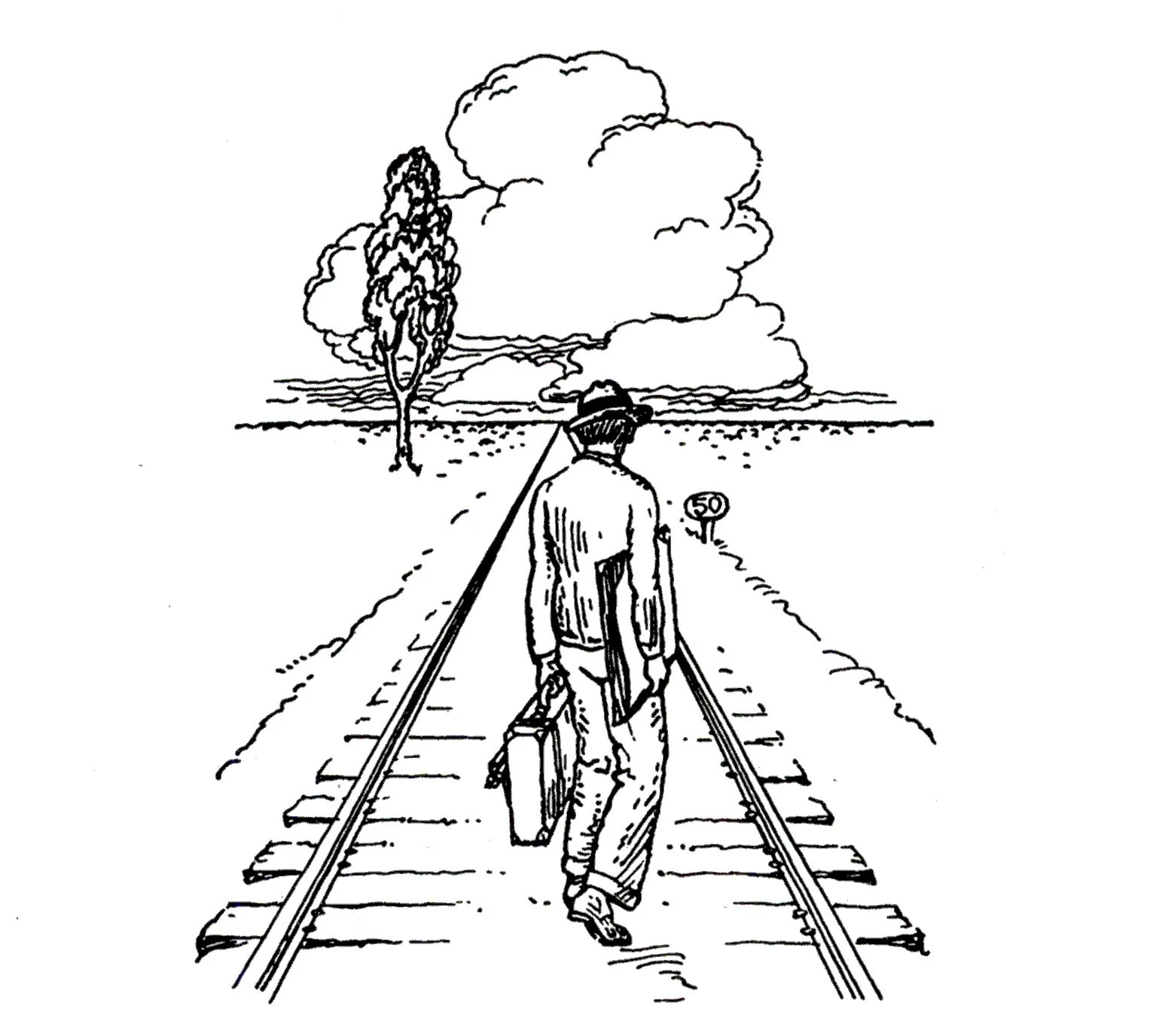
Learn to understand perspective in a practical and intuitive way.
Understanding perspective will help you create a sense of 3 dimensions in your work.
-
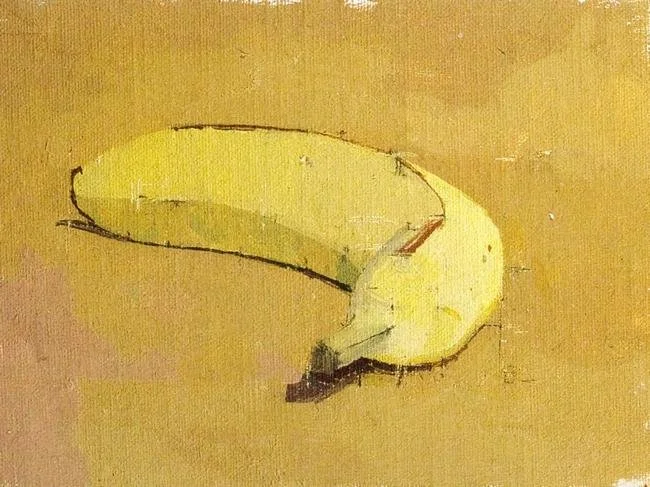
Good shading is built of solid form. You will apply the lessons learned from perspective to construction of the form. Lessons learned depicting simple forms are allow you create complex forms.
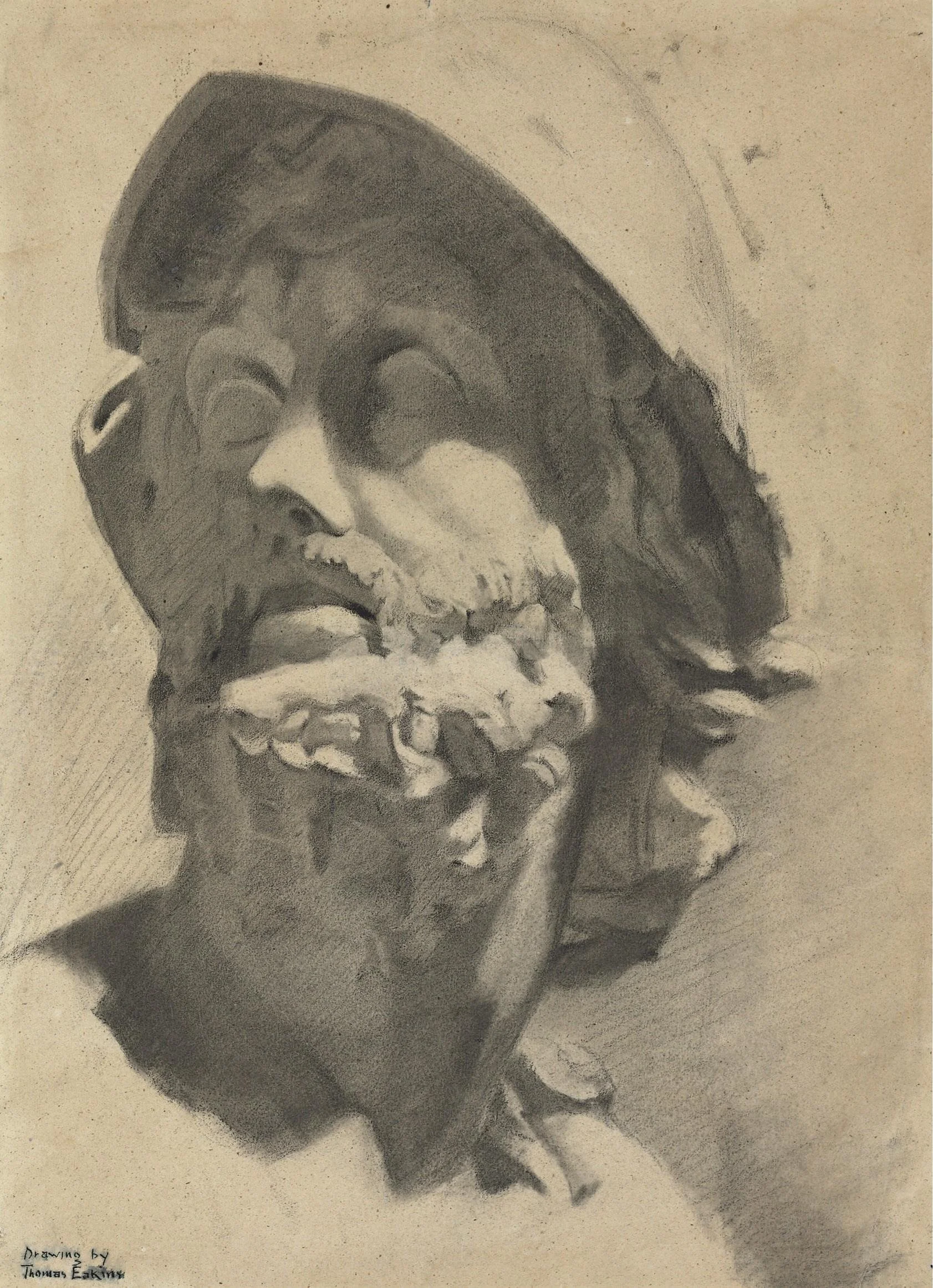
-
Many people misunderstand how value expresses light effect. You will learn the distinction. You will also learn to identify key areas of light and shadow. You will learn how a thorough understanding of light effect is crucial for painting with color.
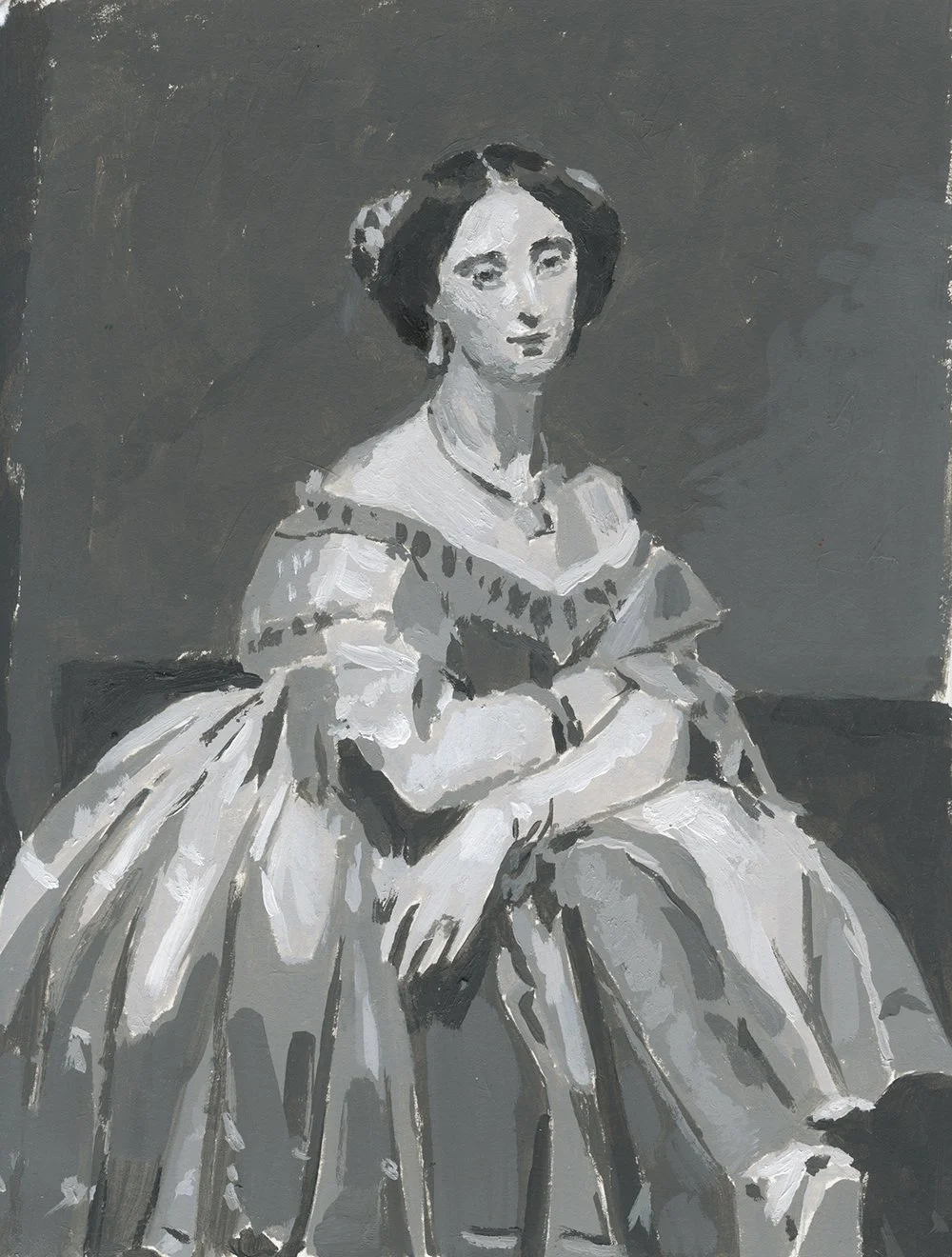
-
This lesson will teach you how to simplify your value patterns to create powerful compositional designs.
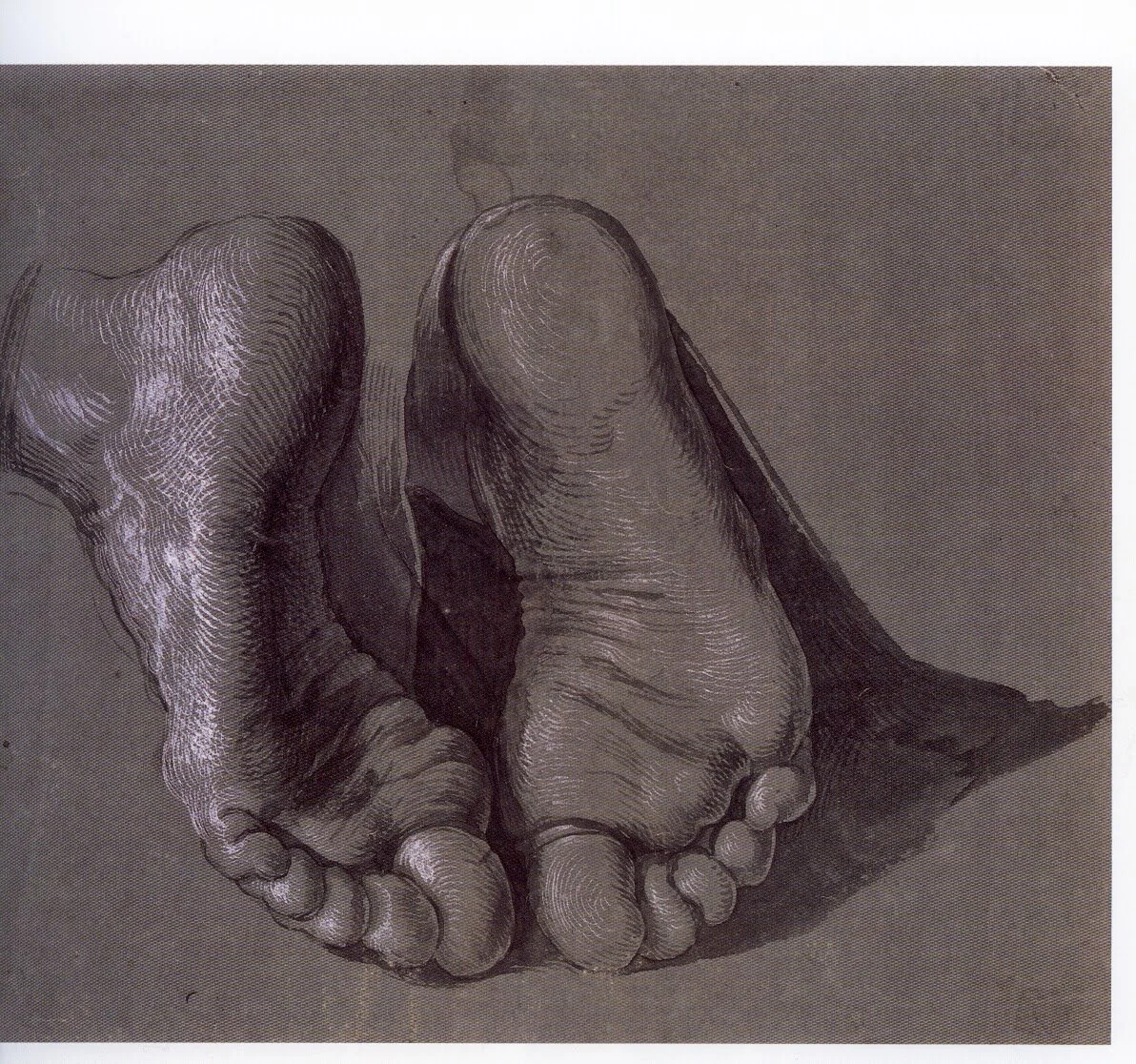
-
Once you have a solid foundation of accurate proportions, perspective, form and clear values, you’re ready for detail! Learn how to get the most bang for your buck when it comes to detail. Create form that turns and show texture through sensitivity at the edges.
Course FAQ
-
I get it! I remember thinking the same thing when I was a drawing student. I always found it frustrating that he would say, “Drawing is painting.” Now, 20 years later, all I think about in nearly every painting I make are drawing issues! These skills will serve you for the rest of your life!
-
Email me! I’m happy to answer your quick questions over email. If you need in-depth support, I offer affordable artist mentoring over zoom or in-person, if you’re in Southern Oregon.