
Ivory Black
Black gets a bad rap from a lot of artists.
Many of us were told NEVER to use black on our palette, that we can mix more “interesting” blacks by combining other colors.
I disagree. For one thing - can you even tell the difference? I cannot. Interesting colors happen because your hue/value/chroma relationships are interesting.
Ivory black VERY useful because it is essentially a weak blue.
SO many artists were told never to use black, that they could mix more interesting blacks by mixing dark high pigmented colors like phthalo green and alizarin crimson. Now that mixture could make a more transparent black, because phthalo and alizarin are more transparent than ivory black. If it’s important to you as an artist – use it! But Ivory Black is not just useful for making black. Ivory black VERY useful because it is essentially a weak blue. When it’s mixed with yellow it becomes a lower chroma green and when mixed with white, ivory black becomes a gray blue. If you surround this gray blue with warmer colors, it will appear very blue.
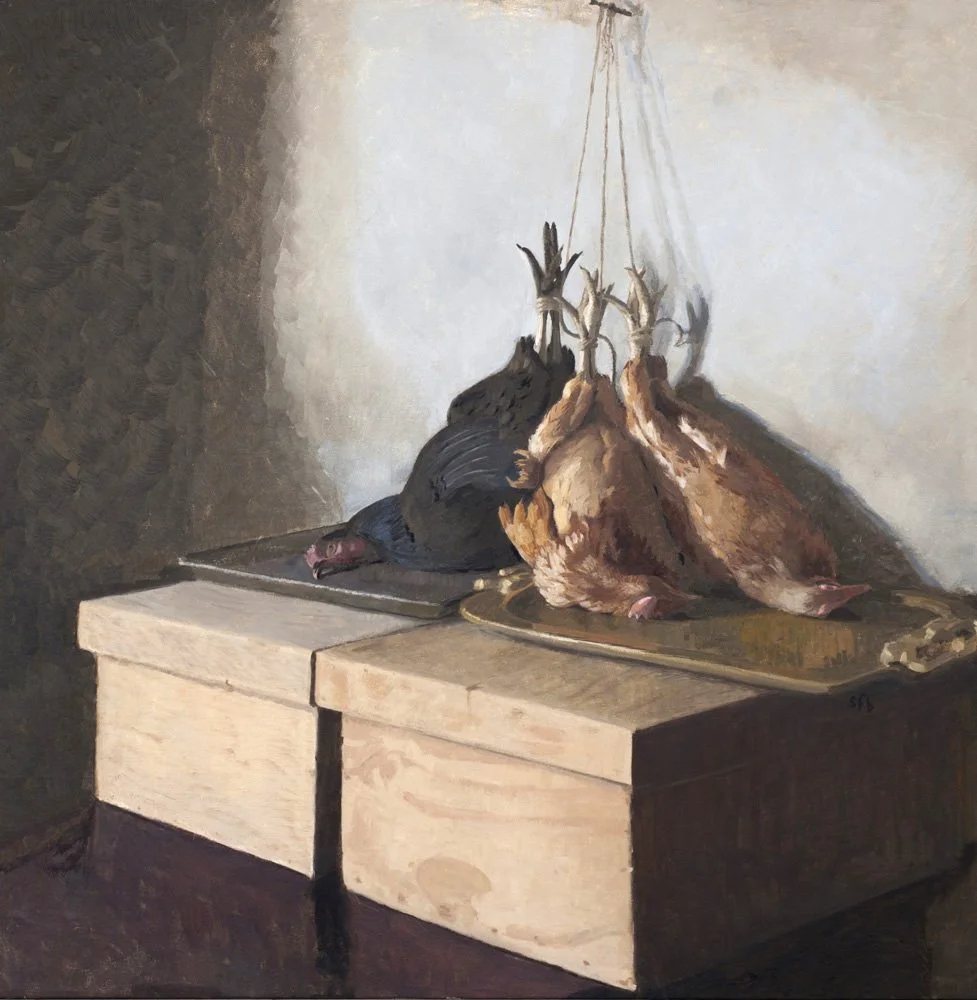
Poultry for Smithfields, Sarah F Burns, 2012
I used warm and cool, slightly lighter and darker blacks to paint the feathers of the dark colored chicken. It added the right amount of subtlety and was easy to control.
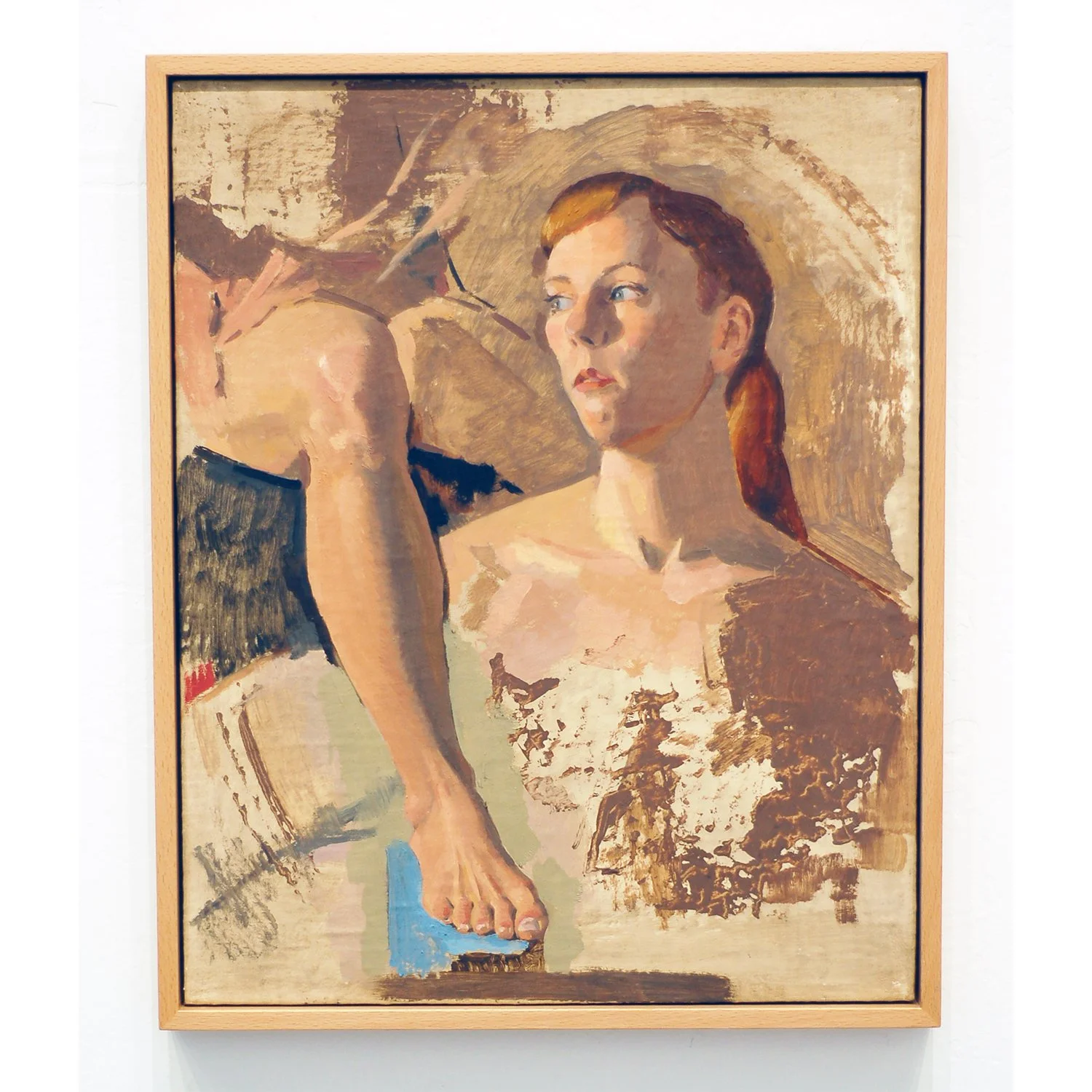
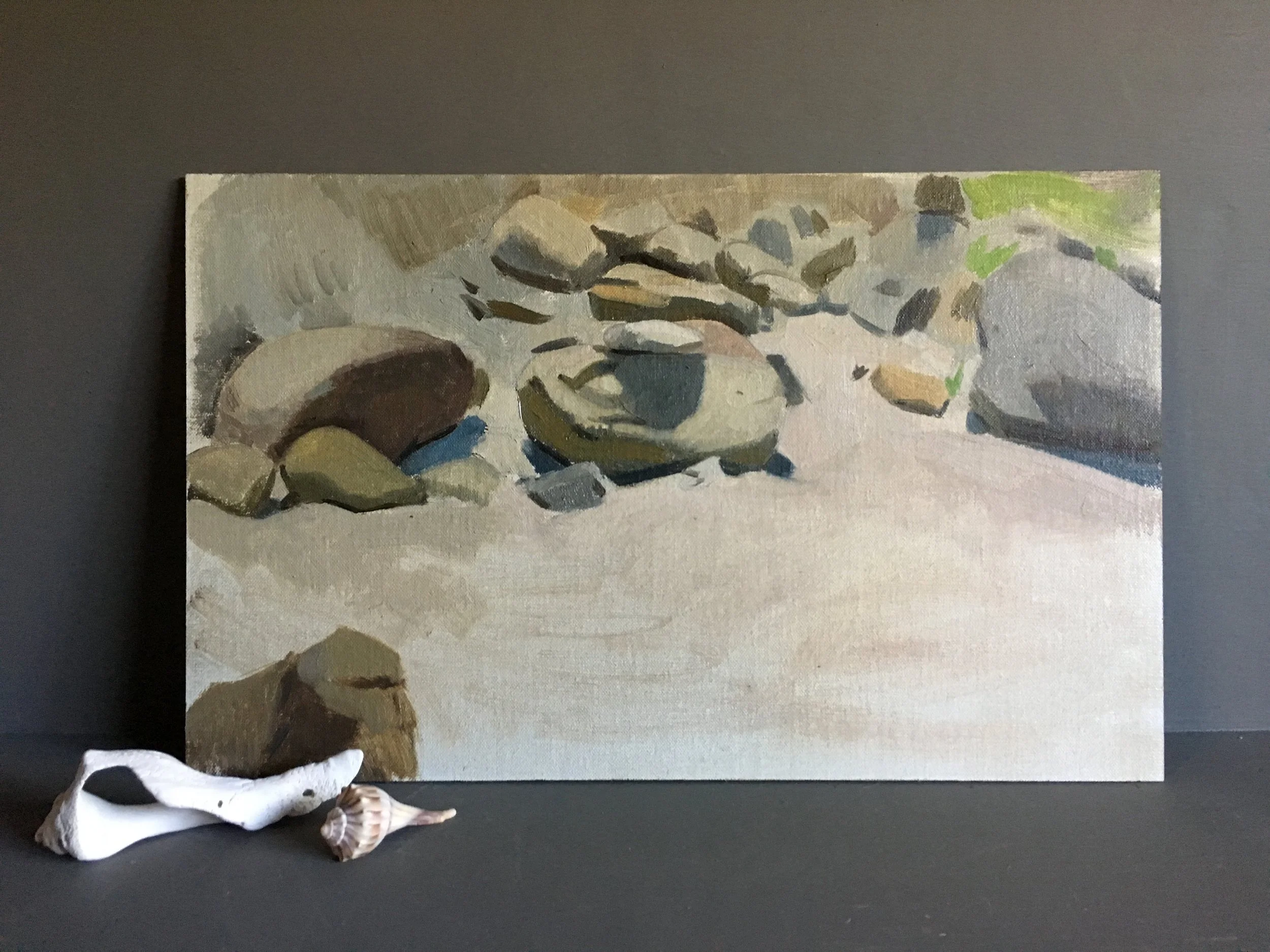
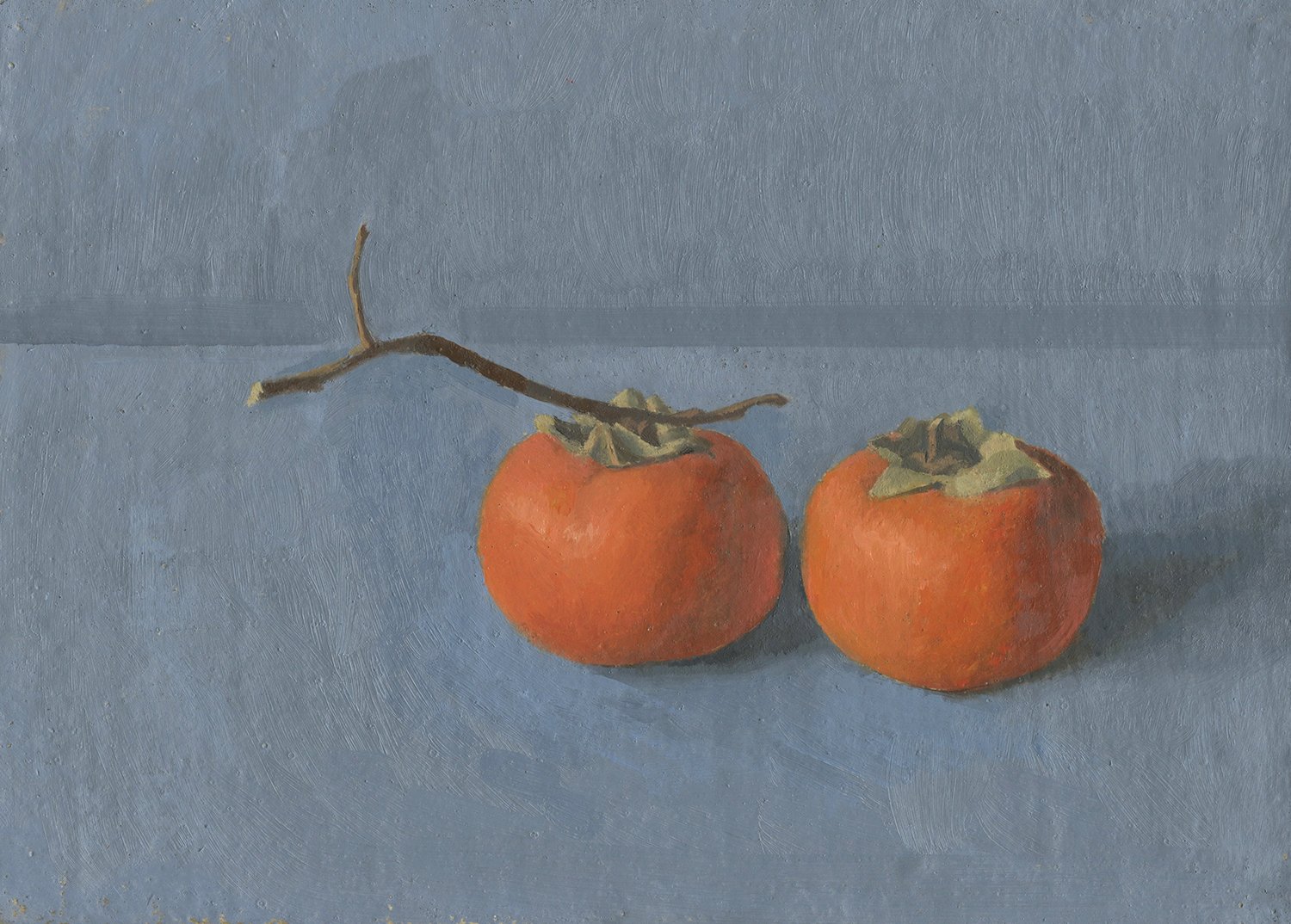
The paintings in the group above were made without any blue at all. Mixing Ivory Black with Titanium white creates a very cool, weak blue, that when surrounded by warmer colors, looks pretty blue.
Another valuable way to use ivory black is when mixing lower chroma greens, purples, pinks. Anywhere you’d use blue, but don’t want or need high chroma.
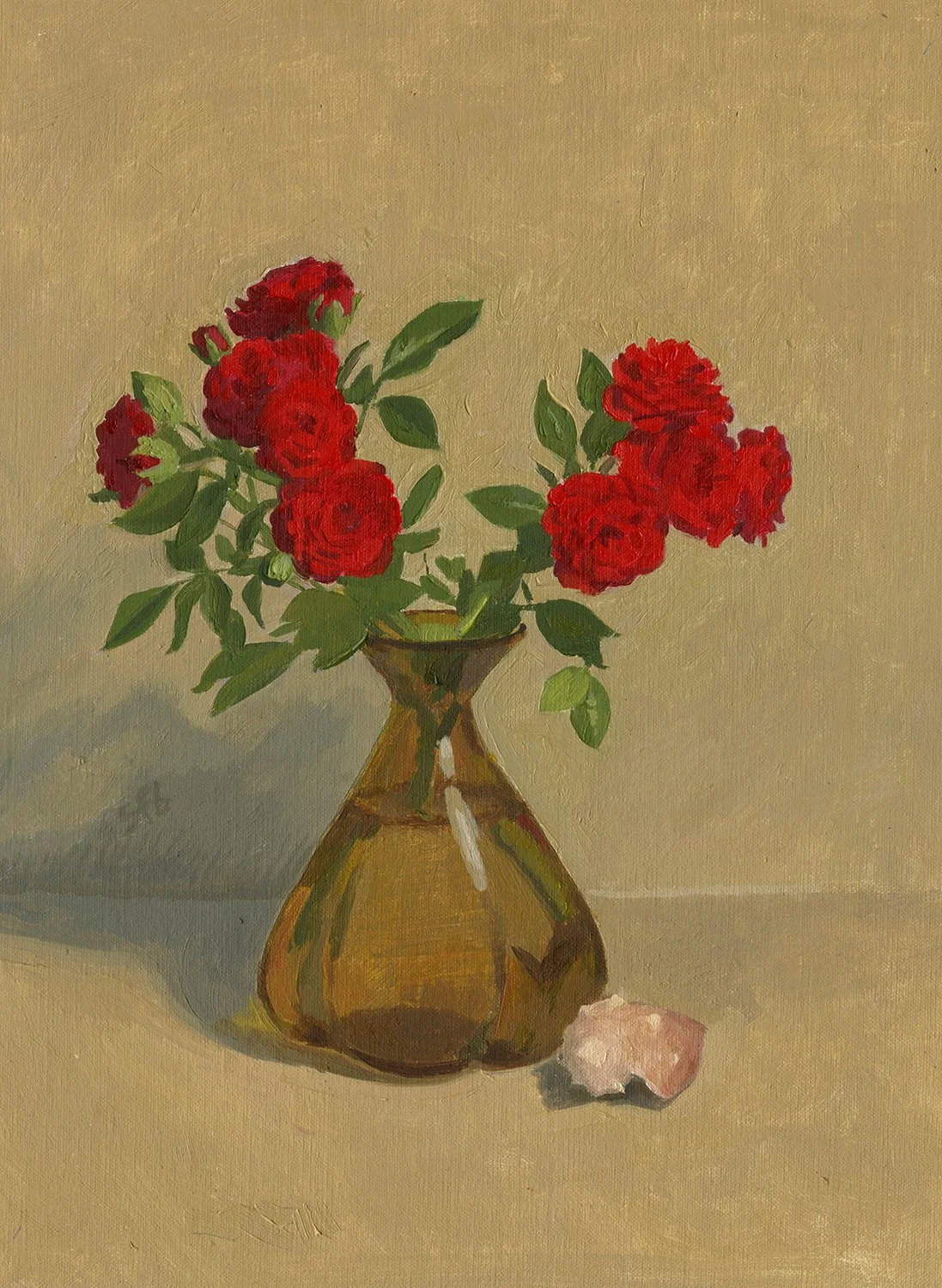
Even greens like those on this rose don’t need much or any blue to mix. You an achieve more natural feeling greens by mixing ivory black with cadmium yellow light. Notably, there are always many ways to mix lower chroma colors. I’m not necessarily saying you should never mix greens by using blue - my point is don’t discount black. It is a versatile color.
When you understand how color works and have experience mixing colors, you will have a ton more options.
Happy painting! If you want to learn more about color - stay tuned. I’m teaching a my painting class The Science and Practice of Color in Fall of 2026.